What Not to Fix When Selling a House

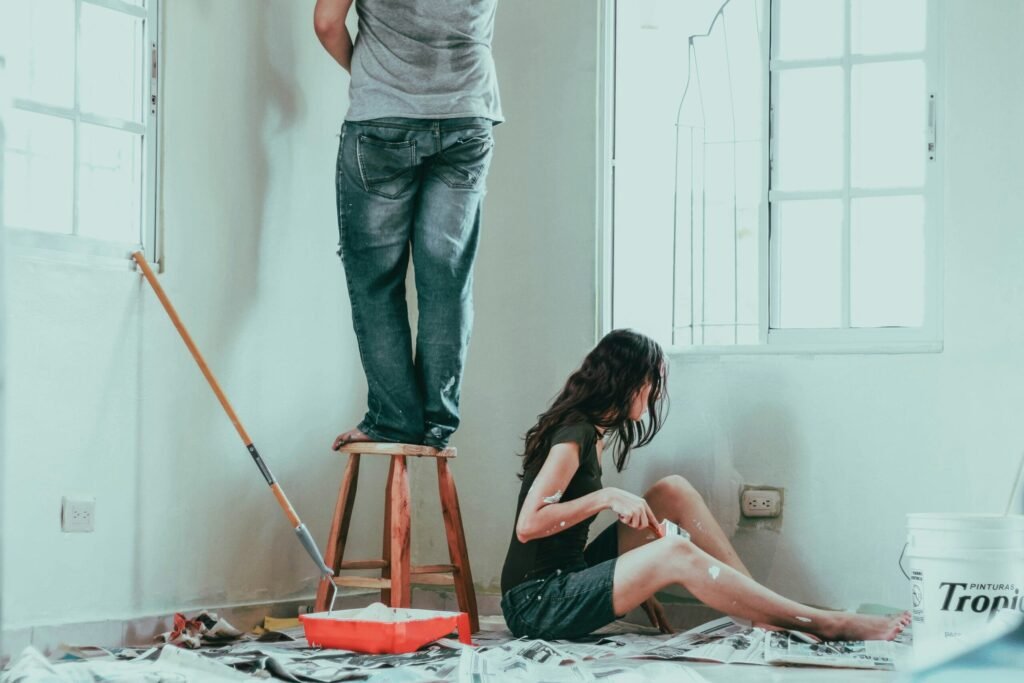
Deciding to sell your house often raises the question of which repairs are worth addressing. Whether you’re listing on the open market or opting for a quick sale to a cash house buyer, knowing what to fix and what to leave can save you time and money.
Your property might have some cosmetic imperfections, outdated features, or minor repairs needed, but that doesn’t mean it’s unsellable. While some repairs are essential, like addressing safety concerns or legal requirements, you’ll be pleased to know that certain repairs will not need dealing with at all.
Many fixes are unnecessary and could delay your sale. If you’d prefer to skip repairs altogether, Gaffsy can buy your house as-is, offering a quick and hassle-free solution.
This advice is based on years of experience helping homeowners sell properties quickly and effectively, regardless of their condition.
Why You Shouldn’t Fix Everything When Selling a House
While it’s natural to want your home to look at its best when you put it on the market, not all fixes are necessary. You may think that by making everything perfect you will secure the sale and potentially for a higher price than you first thought, but that is not always the case. In fact, many repairs to avoid when selling a house can waste time and money without guaranteeing better results. Here’s why:
It Will Be Expensive
Repairing every minor issue often leads to discovering more problems, creating a cycle of rising costs. In the end, you might spend more than the increase in property value. If you’re selling a house in poor condition in the UK, focus on pricing it appropriately instead of over-investing in unnecessary repairs.
You Might Miss Out on a Sale
Every day spent fixing problems is a day your house isn’t on the market. The property market moves quickly, and delays could mean missing out on motivated buyers. Selling a house that needs repairs often means leaving minor fixes for the buyer to handle, allowing you to sell your house faster.
It Might Not Appeal to Buyers
What you think improves the house might not align with a buyer’s vision. Buyers often prefer to customise a property to their tastes. Over-personalised refurbishments or expensive updates can limit the pool of interested buyers. A potential buyer might prefer a property they can renovate themselves rather than paying for changes they don’t want.
Some Fixes Aren’t Needed
Minor wear and tear like scuffed paint or outdated fixtures rarely deter buyers. For example, changing light fittings because you think people may prefer them isn’t wise or cost-effective. Leaving these minor repairs for the buyer can be the easiest and most affordable way to secure a sale. As long as what you legally have to disclose when selling a house UK is addressed and the property meets safety standards, additional fixes might not be necessary.
What Not to Fix When Selling Your House?
There are plenty of house repairs to skip without scaring off buyers, allowing you to sell your house as is and still get a good price. Here’s what’s typically unnecessary to fix when selling your house.
Minor Cosmetics
Small marks on paintwork or light scratches on floors and worktops are unlikely to put buyers off. Many appreciate a home that feels lived in and authentic. If you want to make a few minor improvements, simple updates like repainting cabinets, replacing cupboard handles, or re-grouting tiles can refresh the space without significant expense.
These updates keep the home appealing while leaving room for buyers to add their own personal touch.
Minor Leaks
A small leak that doesn’t cause damage might not need urgent attention. However, tightening a loose fitting or addressing obvious drips can improve your property’s appeal with minimal effort.
Broken or Chipped Tiles
Replacing one or two cracked or chipped tiles isn’t the easiest job to do and often requires redoing the entire area which takes time and money. It’s a job best left to buyers as they may decide to change them, regardless of the damaged tiles.
Old Appliances
Appliances left in the house don’t need to be updated unless they’re unsafe. Buying brand-new items to try and drive home the sale is asking for trouble. Unless they’re broken, there’s no need to replace older appliances. Many buyers prefer to install their own, so spending money here is unlikely to pay off.
Personalised Décor
Bold wallpapers, quirky fixtures, might reflect your taste but not the buyer’s. Spending time and money on neutralising these features is often unnecessary, as buyers may want to redecorate.
Carpet Replacement
Replacing old carpets can be expensive, and it’s a classic scenario of costs that may not be recouped in the sale price. Focus instead on deep cleaning carpets to present them in their best light.
Minor Electrical Issues
While major electrical problems must be addressed for safety reasons, minor issues like a broken light switch can often wait. Ask yourself, “Is it worth fixing gas and electric faults?” If there is no risk, these minor issues can be left for the buyer to fix.
What Must You Fix When Selling a House?
Unlike house repairs to skip, the following fixes should be carried out before selling a house to avoid legal complications and losing buyer interest. Refusing to bring your house up to standard or neglecting issues that could pose a safety risk will not only drive the value down but could also stop the sale altogether.
Here are 7 home fixes you must complete before selling:
- Address structural repairs.
- Fix subsidence issues.
- Resolve rising damp problems.
- Eliminate insect infestations.
- Remove any Japanese knotweed growth.
- Ensure gas, electricity and water systems are safe and certified.
- Service boilers and safety devices.
Transparency is crucial in these situations as serious issues like structural problems or a leaking roof are significant concerns if not addressed.
Being transparent with buyers from the start will allow them to factor these costs into their offer. If these issues are discovered later down the line during a property survey there is a good chance you will lose the buyer.
Want a Guaranteed House sell without Spending Money on Repairs?
Whether you have fixed the mentioned problems or opted to leave them and still found your house difficult to sell, speak to Gaffsy.
Our guaranteed quick house sale means you can sell an unsellable house regardless of its condition or location. We don’t mind if you have water damage, subsidence, or just a few cracked tiles. Every home can be sold, and with Gaffsy, we don’t mind if you have water damage, subsidence, or just a few cracked tiles we will make you a free cash offer today.
Selling your house doesn’t mean fixing every flaw. By focusing on essential repairs and leaving non-critical issues, you can save time and money while still achieving a successful sale.
For those looking to avoid repairs altogether, Gaffsy provides a quick and easy way to sell your house fast as-is, we guarantee to buy your house regardless of its condition. Contact us today and you could have the cash from your sale in your account within 7 days.
Q&A Section
- What Not to Fix When Selling a House UK? You don’t need to fix minor cosmetic issues like scuffed paint, small scratches, or outdated fixtures. Buyers often expect some wear and tear and may prefer to customise the property themselves. Focus on safety and structural repairs instead.
- Is It Worth Fixing Gas and Electric? While small electrical issues can be overlooked, larger concerns, especially ones related to gas and electrics, should be addressed for safety reasons. Buyers will likely conduct a survey, and failure can lead to a lost sale. So, make sure you have all the necessary gas and electric safety certifications.
- What Are the Most Crucial Repairs I Should Prioritise Before Selling My House? When considering the things to do when selling a house focus on safety repairs like fixing structural cracks, subsidence, or rising damp. Address issues such as insect infestations, Japanese knotweed, and ensure gas, electricity, and water systems are safe. Servicing boilers and safety devices is also part of the 7 home fixes you must complete before selling to build buyer confidence and avoid delays.
- What Do You Legally Have to Disclose When Selling a House UK? In the UK, the law requires sellers to disclose any known faults with the property that could affect its value, including subsidence, structural issues, criminal activity, or any ongoing disputes with neighbours. Failing to disclose such information could lead to legal disputes, financial penalties, or even the sale being invalidated.
- Is It Worth Spending Money on Kitchen and Bathroom Updates Before Selling? Typically, no. Buyers often prefer to personalise these spaces after purchase. Instead, focus on tasks like ensuring everything is clean and functional. Simple updates like painting units, replacing cupboard handles, or re-grouting can refresh the space without significant expense.
- Are Minor Plumbing and Electrical Issues Deal-Breakers When Selling a House? Not usually. Buyers are often willing to overlook small inconveniences, like a dripping tap or a faulty light switch. If you’re selling a house that needs repairs, focus on critical safety fixes and be upfront about minor issues to encourage fair negotiations.
- Should I Spend Money on Landscaping to Make my Garden Perfect? Not at all. Basic tidying, like mowing the lawn and trimming bushes, is usually enough to make the garden look nice. Big landscaping projects might not provide a return on investment, especially when selling a house in poor condition uk.
- Do I Need to Declutter my Home Before Putting it on the Market? Yes, decluttering is one of the most important things to do when selling a house. A tidy, clutter-free home feels bigger and allows buyers to imagine themselves living there. Focus on clearing out unnecessary items, organising shelves, and storing personal belongings like family photos to make your space more appealing.
- Can I Sell a House in Poor Condition? If your house requires major repairs and you want to sell now without any costs Gaffsy can help. We specialise in buying problem properties and properties that need repairs. So, if you need to sell a house in disrepair or are a landlord that wants to sell a property portfolio in poor condition, we can buy your property as-is, saving you time, money, and stress.