Is Ivy Bad for Houses?

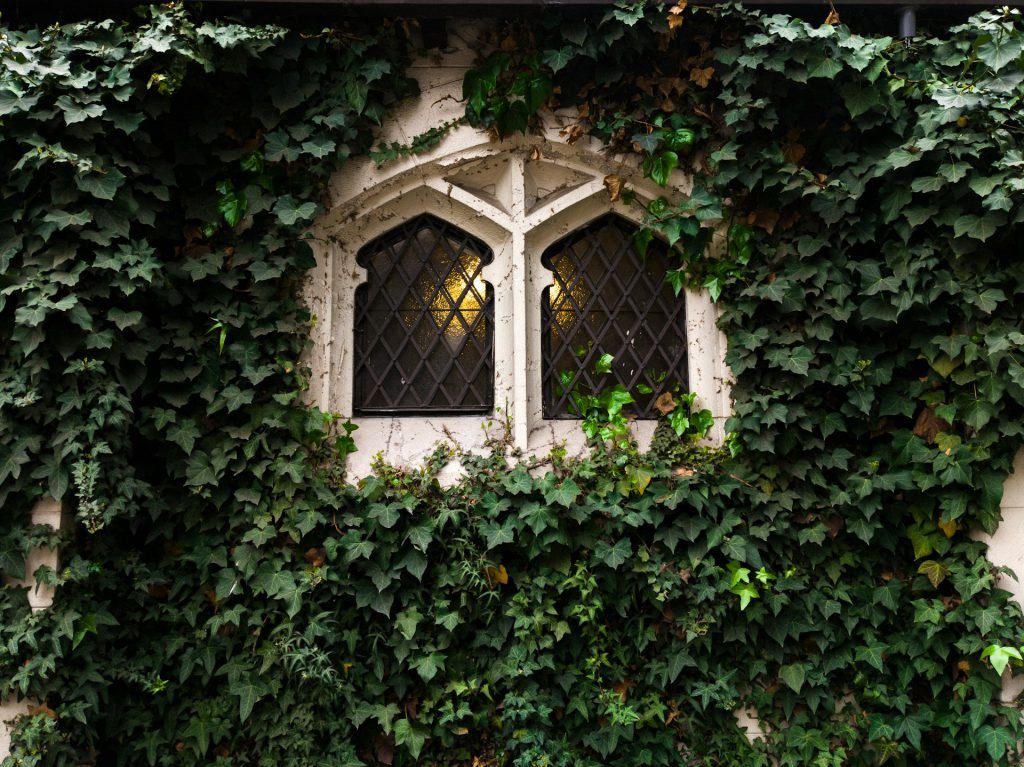
Picture a cottage with its walls covered in ivy set in the English countryside, what a beautiful romantic picture we’ve created, and how desirable a home that must be to live in. Now picture a house for sale with parts of the windows obscured by overgrown ivy which has covered the house and concealed the pipes and drains. Do you still have that same desirable romantic house image in your mind? Or as a house buyer are you wondering what damage the ivy has done, and how sound the structure of the house is? As a homeowner, selling a house deemed unsellable due to issues like ivy, may concern you that it’s going to put off potential buyers. To alleviate those concerns let’s address some of the most asked questions by those worried that ivy is bad for houses. And remember, if you want to sell your house and have not had any luck, Gaffsy will guarantee a fast house sale no matter the condition. So, if you want to receive a no-obligation, free cash offer today, just fill in the form and one of the team will get straight back to you.
Can ivy damage my house brickwork?
The first worry that those looking at a house with ivy on is whether the ivy has damaged the brickwork of the house and if so, to what extent. Ivy attaches itself to the brickwork with tiny roots, if the brickwork is loose then these roots can get into the cracks and crevices and over time, as the ivy grows and roots dig deeper, they can cause the cracks to widen which can be problematic. The roots can also bury themselves into the cement area between the bricks, and because the roots are acidic, they can cause the bricks to loosen and or crumble. So, although ivy itself doesn’t actually make these cracks and openings, it does worsen them.
It’s not all doom and gloom though as the Royal Horticultural Society points out that ivy can provide insulation, and shelter walls from extreme pollution.
The number one rule for ivy on your house is regular monitoring and maintenance. This way you will be able to ensure it doesn’t overtake the vulnerable areas of your home.
Does ivy cause damp problems in houses?
Yes, ivy can contribute to damp problems in houses. When ivy grows against the walls of a house, its leaves, and the thick way it grows can trap moisture. This trapped moisture stops the wall from drying out and can cause damp issues. Especially in older buildings that don’t have great damp proofing. Over time, this can lead to increased dampness inside the house. The damp can then cause damage to wallpaper, paint and skirting boards, as well as cause a musty smell. The trapped moisture can also lead to the growth of mould and mildew presenting health risks to the occupants.
In winter this can get worse as the water in the walls freezes making the cracks expand, causing more damage.
To ensure ivy on your house doesn’t cause a damp problem, manage the growth. Have it trimmed regularly, and keep it away from windows, gutters and roof spaces.
If your property is already badly affected by ivy-related damp issues professional removal of the ivy and repair of any damage to the walls are the only way to resolve the problem. If this not something you have the time or money to deal with Gaffsy, the cash house buyer you can trust will buy your house quickly despite the house having damp problems caused by ivy.
Can I safely remove ivy from my house?
Yes, you can safely remove ivy from your house, and doing so may make the house more appealing to potential buyers. Why more appealing? Well, the question marks surrounding the house’s structural soundness and any damp problems associated with ivy would be removed. Assuming you do the necessary repair work of course. You can instruct a professional company to conduct an ivy report or survey as well as carry out the work.
However, if the job of removing ivy and repairing any damage it may have caused is not something you want to do, Gaffsy can help. We buy any home without the need for you to remove the ivy or carry out repairs, providing you with a quick way to sell your home.
Can ivy affect a property’s value?
The impact of ivy on a property’s value can be difficult to assess. It varies widely, and largely depends on its management. Whilst well-maintained ivy can be viewed by potential buyers as adding charm and character to a property, other house buyers may be concerned about the structural damage that lies beneath it and the cost of maintenance. Also, when ivy coverage is extensive, a buyer will not necessarily know the extent of the damage or whether it has caused damp which could put off a potential buyer.
If you have an ivy-covered property and are wondering if it will affect the value of your house, it could be beneficial to speak to a property professional. They will be able to advise you on buyers’ preferences in your area and may also be able to tell you whether removing ivy and making any necessary repairs could positively or negatively impact the marketability and sale price of your home.
Shall I keep the ivy or remove the ivy?
When considering whether to keep ivy on your property, the best thing to do is firstly establish what condition your house is in, if you are unsure you can do this by consulting with professionals. If your property is in good condition, ivy can add aesthetic appeal and offer some protective benefits, in which case it could make sense to keep the ivy. However, for older or damaged structures, removing the ivy and carrying out the repairs may make your home more desirable to a buyer.
If you do not want to undertake the physical and potentially costly process of ivy removal and repairs selling your home to Gaffsy your trusted cash house buyer could be the solution to your problem. We offer a fast, hassle-free guaranteed sale of your property, regardless of your home’s condition. Whether ivy-covered or in need of other repairs, Gaffsy provides a straightforward way for you to sell your house, contact us for your free cash offer today.