Common Challenges When Selling An Unregistered Property

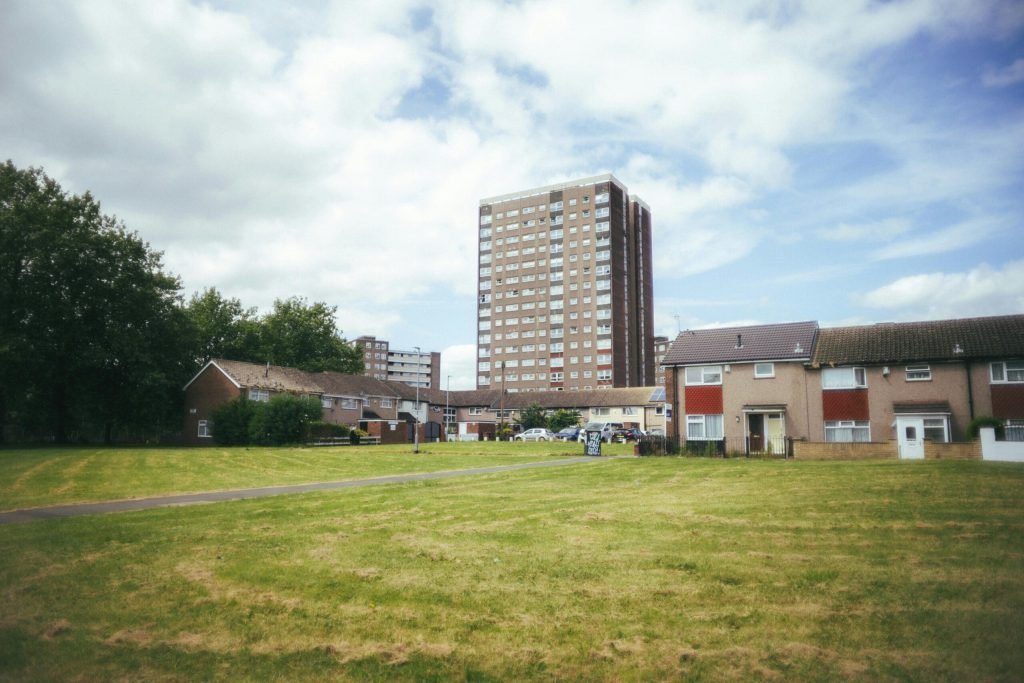
Are you wondering how you can sell an unregistered property? Or perhaps you are looking for guidance on how to sell an unregistered property quickly and without the hassle. If so, you’re not alone. Despite over 88% of land in England and Wales being registered with HM Land Registry, a significant number of properties still remain unregistered.
If you’re a property owner and you’re unsure how to sell an unregistered property and want to sell your house fast, this guide is here to help. We will cover the most common hurdles and share simple, practical tips to help you tackle them.
What Is an Unregistered Property and Can You Sell it?
An unregistered property is one that hasn’t been added to HM Land Registry’s official records. These days, land registration is compulsory whenever a property is bought, sold, mortgaged, or a house is inherited through probate. However, if a property hasn’t changed hands since before registration became mandatory, between 1990 and 2000, it might still be unregistered.
This means there’s no digital record of ownership, and instead, ownership relies on old paper documents like title deeds. That can make selling a bit trickier, as missing documents or unclear boundaries can cause delays. While this was more common in the past, unregistered properties are still around today.
Why Are Some Properties Still Unregistered?
There are several reasons why properties in England and Wales remain unregistered. Although compulsory land registration has been in place for decades, some homes and plots of land still haven’t been added to HM Land Registry’s records. Here are the main reasons:
- Older Properties and Historical Context
Many older properties, particularly those built before 1900, were never registered because land registration was not mandatory at the time. These properties were often owned by the same family or estate for generations, and without a sale or legal transfer triggering the requirement to register, they remained outside the Land Registry system.
- Inherited or Family-Owned Homes
Properties passed down through families, either through inheritance or long-term ownership, frequently remain unregistered. If a property hasn’t been sold or mortgaged, there’s no legal obligation to register it. As a result, many family-owned properties are still relying on paper records to prove ownership.
- Properties That Haven’t Changed Hands Since 1990-2003
The introduction of compulsory land registration in England and Wales happened gradually between 1990 and 2003. Any property that hasn’t been sold, mortgaged, or transferred since then may still be unregistered. This is especially common for older homes or investment properties that have stayed in the same ownership for decades.
- Rural Land and Farmland
Rural areas often have a higher proportion of unregistered land. This includes farmland, large estates, or plots of land with complicated boundaries or legal rights, such as shared access or rights of way. The complexity of these properties can make registration more challenging and less appealing to owners.
- Properties Overlooked or Abandoned
In some cases, smaller plots of land, alleys, or unclaimed parcels may have been overlooked during the registration process. Similarly, abandoned properties or land without a clear owner might remain unregistered until someone formally claims or purchases them.
- Ownership or Boundary Disputes
Properties involved in ongoing legal disputes, such as unclear ownership or boundary disagreements, are less likely to be registered. Registration often requires these issues to be resolved first, leading to delays or prolonged unregistered status.
The Challenges in Selling an Unregistered Property
Selling an unregistered property isn’t impossible, but it does present hurdles that can complicate or delay the process.
Proving Ownership: The Paper Trail Challenge
Ownership of unregistered property must be proven through a combination of historical documents. This includes:
- Original title deeds.
- At least 15 years of conveyancing records.
- Plans and documents detailing the property’s boundaries.
If these documents are missing, sellers may need to prepare statutory declarations or obtain title insurance. Without clear proof, sales can stall, and disputes may arise.
Financing Difficulties: The Lenders View
Mortgage lenders often view unregistered properties as high-risk due to the lack of centralised ownership records. This can lead to:
- Additional due diligence, which prolongs the mortgage approval process by up to 30%.
- Reduced lending options, as some lenders avoid unregistered properties altogether.
- Extra requirements for security measures, increasing legal and financial costs.
This limited financing makes it harder to attract buyers reliant on mortgages, narrowing the pool of potential purchasers.
Limited Buyer Interest
Unregistered properties are less appealing to many buyers due to the perception of increased risk and complexity. These factors contribute to:
- Longer sales times—up to 30% longer than registered properties.
- Lower offers, with unregistered properties often selling for 5-10% less than their registered counterparts.
Buyers are typically wary of the legal uncertainties and extra costs associated with these sales, which can make the process frustrating for sellers.
Regional Disparities
The challenges of unregistered property sales vary depending on location:
- Urban Areas: In cities like London, where only 5% of properties remain unregistered, unregistered property completion times are 4-6 weeks longer than registered properties.
- Rural Areas: In contrast, up to 25% of rural properties remain unregistered, with unique issues such as agricultural ties, unclear rights of way, and frequent boundary disputes complicating sales.
These factors add time, cost and legal complexity to the sale making the process more difficult and may discourage buyers.
How to Register Your Property to Sell it Fast
If your property is unregistered, getting it registered with HM Land Registry can simplify the selling process and reduce potential issues. Here’s a breakdown of what the registration process involves:
Timeline and Costs
- Standard Registration: For most properties, registration takes around 6-8 weeks.
- Complex Cases: For properties with missing documents or unclear boundaries, registration can take 12-15 weeks.
- Fees: Registration fees range from £45 to £1,105, depending on the property’s value.
- Additional Costs: Solicitor fees or legal support typically cost an average of £800–£1,200.
While these steps might seem daunting, getting the property registered often reassures buyers and will help you sell your house fast.
What are the Risks of Selling an Unregistered Property?
Selling an unregistered property can bring a few legal challenges, but don’t worry, there are clear ways to handle them. Here’s what you might face and how to sort it out.
- Missing Documents: Many unregistered properties rely on old paper deeds to prove ownership. If these are lost or incomplete, the sale can be significantly delayed.
- Statutory Declarations: The good news is, in around 70% of cases, ownership can be confirmed using statutory declarations (a sworn statement detailing your ownership history).
- Additional Evidence: About 25% of cases require extra documents, such as affidavits or historical records, to fill in the gaps.
- Complex Cases: For the remaining 5%, title insurance may be needed to reassure buyers and lenders. In rare cases, ownership disputes might require legal intervention in court.
- Boundary Disputes: Unclear or disputed boundaries are more common with unregistered properties, especially in rural areas. These issues can:
- Take up to 40% longer to resolve compared to registered properties.
- Cost an average of £4,500 to settle through mediation.
- Require specialist surveys, which add £800–£2,000 to expenses.
By resolving boundary issues early, with a professional survey or legal agreement, you can save time and make your property more appealing to buyers.
- Agricultural Ties and Rights of Way: For rural properties, legal complications like agricultural occupancy conditions (restricting who can live there) or rights of way (allowing others to cross your land) can make selling harder. These issues often need additional legal work to clarify or remove restrictions before the sale. Buyers may hesitate if these issues aren’t resolved beforehand, so addressing them early is crucial.
- Adverse Possession: Unregistered properties are more vulnerable to adverse possession claims. This is when someone can legally claim ownership of your property if they’ve occupied it for a certain number of years without challenge. While this is less common, it’s important to address any long-standing occupation or boundary encroachments before putting your property on the market.
- Fraud Risks: Unregistered properties can also be more at risk of fraud. Without a central record at HM Land Registry, it’s easier for someone to create false ownership documents or sell the property fraudulently. Registering your property can significantly reduce this risk by creating an official digital record.
How to Sell an Unregistered Property: Practical Solutions
Despite the challenges, there are effective strategies to overcome the hurdles of selling an unregistered property.
- Voluntary Registration
Registering your property with the HM Land Registry before selling can simplify the transaction and boost buyer confidence.
- Pre-Sale Preparation
Address potential red flags early:
- Commission a Boundary Survey: A professional survey can clarify property boundaries and resolve potential disputes in advance.
- Compile Documentation: Gather all available deeds, conveyancing records, and boundary plans to provide clear evidence of ownership.
- Engage a Specialist Conveyancer: Work with a legal expert familiar with unregistered properties to navigate the complexities of the sale process.
- Consider Title Insurance
Title insurance is an invaluable tool for sellers. It provides financial protection against issues like missing documents or ownership disputes, helping to reassure buyers and lenders.
- Explore Cash Sale Options
If time is of the essence, selling to a property buying company can be a viable solution. Benefits include:
- Quick completions.
- No reliance on mortgage financing, avoiding lender delays.
- Simplified legal processes tailored to unregistered properties.
What’s My Unregistered Property Worth?
Unregistered properties can face quite a few hurdles that may lower their value and make selling more difficult.
- Longer Sales: Unregistered properties typically take about 30% longer to sell. Buyers, solicitors, and lenders often need extra time to verify ownership and check for potential issues, which can drag out the process.
- Lower Offers: Buyers tend to offer 5-10% less for unregistered properties because they see them as a bigger risk. Concerns about missing documents, unclear ownership, or boundary disputes can really put them off.
- Higher Costs: Getting your property valued might cost around 25% more than it would for a registered property. That’s because valuers and surveyors need to do extra work to confirm the details, adding to your expenses.
While these challenges can make things tougher, they’re not impossible to overcome. Taking steps to organise your paperwork, resolve disputes, or even voluntarily register your property can make a big difference. Buyers are more likely to pay closer to market value when they see the risks have been dealt with.
Ready to Sell Your Unregistered Property?
Don’t let your unregistered property stop you from securing a quick sale. Contact Gaffsy today for a no-obligation, free cash offer and see just how easy you can sell an unregistered property. At Gaffsy we buy properties in any condition or situation, offering a simple, fast, and reliable solution when you need to sell your property quickly.
Here’s why homeowners choose Gaffsy:
- Cash Offers in 24 Hours: We provide fair, no-obligation cash offers fast, so you can make a decision with confidence.
- Sell in as Little as 7 Days: Avoid delays with our quick, streamlined process that’s perfect for unregistered properties.
- No Fees, No Commissions: With Gaffsy, you’ll keep every penny—there are no estate agent fees or hidden charges.
- We Handle Everything: From legal complexities to missing paperwork, we take care of it all, saving you time and stress.
- Sell Any Property, in Any Condition: Whether it’s unregistered, needs renovation, or has legal complications, we’re ready to buy.
Still wondering how to sell an unregistered property fast? Contact Gaffsy today and find out just how quick and simple it is to sell your property to a cash house buyer.
Frequently Asked Questions
Q: How long does it take to register an unregistered property?
A: The process typically takes 6-8 weeks for standard cases, but complex properties may require up to 15 weeks.
Q: What are the costs involved in registering a property?
A: Registration fees range from £45 to £1,105, depending on property value, while legal fees add an average of £800 to £1,200.
Q: Can you sell an unregistered property without registering it first?
A: Yes, but the process can involve more complexities. If you need a quick sale, consider selling to a cash buyer like Gaffsy.
Q: Will registering my property increase its value?
A: Registration won’t directly increase value, but it removes buyer hesitation, speeds up the sale process, and protects against fraud.