I Own Half a House, What Are My Rights?

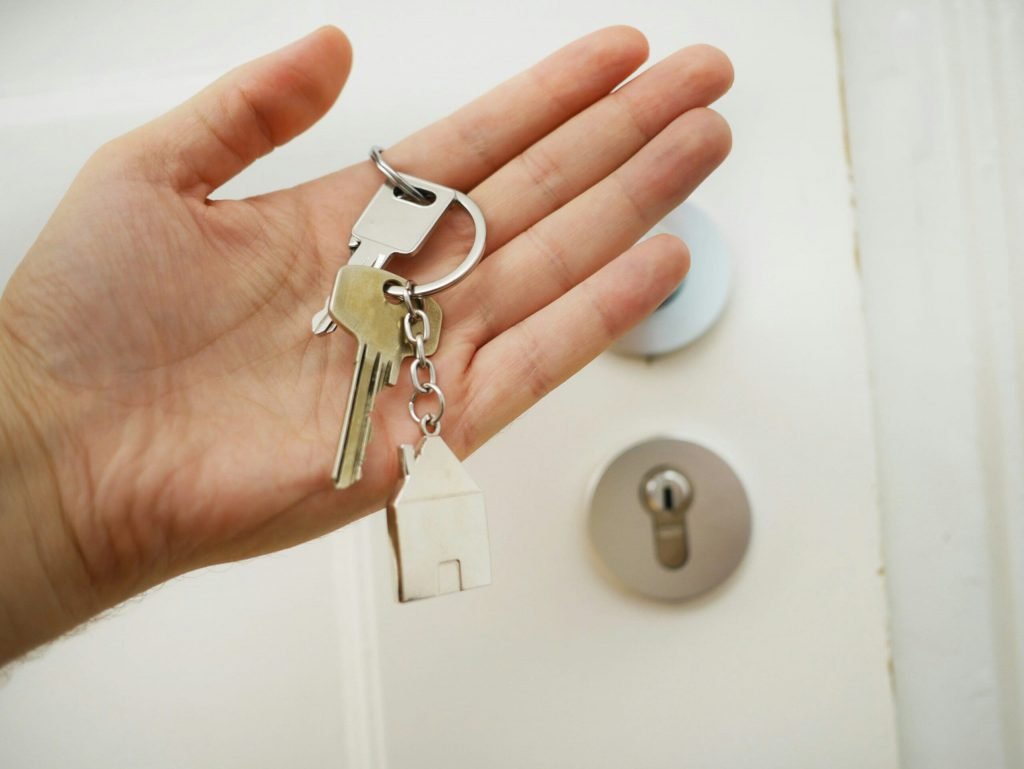
Owning a property is often the goal for many, but it is often a goal that remains unobtainable unless the property is purchased by two or more of you. With the current average house price sitting at £281,000 in the UK according to the government House Price Index, and a deposit being set at around 10%, you’ll need close to £30,000 saved before even beginning to start the process of acquiring a home. Of course, regional disparity means that in some areas, not even £281,000 will secure you a property, the average house price in London for example is £502,690 meaning you’d need at least £50,000 saved to get started. It is reasons like this that cause people to look to split the costs when buying a house.
But, the big question is, what are your rights if you take this route? If you own half the house, what happens if you or the co-owner wants to sell? Much depends on the ownership of the property. Were you registered as joint tenants, or tenants in common? Your rights will vary depending on this, so let’s take a look so you have full knowledge of what you can and can’t do when you own half a house.
What are the different types of home ownership for co-owners?
Upon purchasing a property, you will be required to register the purchase with the Land Registry. There are two options available here and each has a different way in which it handles ownership disputes, sales and more. Due to the complex nature of property sales and how the ownership type may hinder what you can do, you should carefully assess the kind of ownership you think your property should have.
Tenants in common
If one of you has contributed more than the other to the purchase of the house, it’s often seen as fair that the one who has paid more owns more. With tenants in common, you can each own a different share of the property. This is often seen as the best way to register a home when buying with friends as it allows more flexibility when you decide to sell or if one person decides they wish to move out. When one owner dies, no share is passed on to the other owner(s), this means the share owned by the deceased can be left in a will. As a tenant in common, you also have the right to sell or transfer the portion of the property you own at any time. You may require specific legal advice if choosing to do this though, especially if a divorce settlement is in place.
Joint tenants
When you register as joint tenants, you both have equal rights to the home and own an even share. When one owner dies, the other owner has the complete ownership passed onto them. This means that no portion of the property can be left in a will as it will automatically be passed onto the other owner. Married couples are best off choosing this option but should also clue up on matrimonial home rights too.
Responsibility for the property is shared in a joint tenancy, meaning that if one owner defaults on paying their share, the other owner may find they have to fill the gaps. Failing to do so could see action being taken. You will also find that you cannot sell your share of the property should you be joint tenants unless the other owner gives consent for you to do so.
Can I sell my share of the house if I own half of it?
Yes, it is possible to sell your share, but it all depends on the ownership type. If you have a joint tenancy, you are both seen as 50/50 owners, even if one party has contributed more financially than the other. You’ll require the other owner’s consent to sell your share and it can prove costly and drawn out, especially if they are not keen on the idea. You’ll need to change the tenancy from a joint tenancy to a tenancy in common too.
If you own the house as tenants in common, you can simply sell your share, although it would make for a more harmonious sale if you were to let the other owner know of your intentions.
Can I buy out the other owner if I own half a house?
If you hold a joint tenancy, you both own 50% of the property so buying the other person out, isn’t necessarily straightforward. You would need the consent of the other owner. They, after all, have just as much right to live there as you. If they do not grant their consent, you will be unable to take full ownership of the house. However, in instances of divorce or where particular legal arrangements have been put in place, a sale or buyout can be forced. Ownership will need to be switched from joint tenants to tenants in common to proceed with this.
If you own the home as tenants in common, you will need to inform the other homeowner of your wish to buy them out and seek an order of sale from the courts once the tenancy has switched.
How can I change a joint tenancy to tenants in common?
If you own half the house and wish to obtain the remainder of it, you’ll need to make sure the other owners give their consent. If they do, you simply complete the SEV form. You’ll need to include supporting documents such as a notice of severance too. Once everything is compiled, you can send it to the Land Registry and the change will take place at no cost to you or the other homeowners.
If they do not agree, you’ll need to draw up a notice of severance and serve it to the other owners. You can then complete the SEV form to register a restriction. The form will ask for evidence to support the severance options, if you cannot provide any, you will need to complete the RX1 form. You can then compile your supporting documents and send to the Land Registry free of charge.
How do I get the order of sale?
An order of sale must be gained if you wish to sell the house and the other owners do not. You will have already changed the tenancy from a joint tenancy to a tenancy in common. If you haven’t you will be unable to get your order of sale.
Firstly, complete an N208 form. Within this you will need to provide:
- Details of any outstanding mortgage
- The estimated sales price
- Evidence of your financial interest in the property
- A witness statement confirming who the other owners are and their current circumstances
- Whether a Class F land charge has been made against the property
- Whether a notice under section 31 of the Family Law Act 1996 has been registered against the property
The form should be sent to the country court where a judgement will be made on whether you can sell the house despite only owning half of it. If the other owners object to the court’s ruling, they can appeal it within 14 days.
Owning just 50% of the home can often make home ownership much more affordable and easier to achieve, however when it comes to selling, things can get a little complicated depending on the type of ownership you have. Form completions, possible delays and more can all make for a costly, long-drawn-out process. Gaffsy can help you save that time and money with the rapid route to sale we offer. At Gaffsy, we specialise in making it possible to sell your house fast. In fact, we can do it in as little as seven days. We buy any home too, regardless of location, condition or type. With our fee-free model, house sales have never been so affordable, so fast and so simple. Contact us today and let’s get your house sold.