How To Sell A House With Subsidence

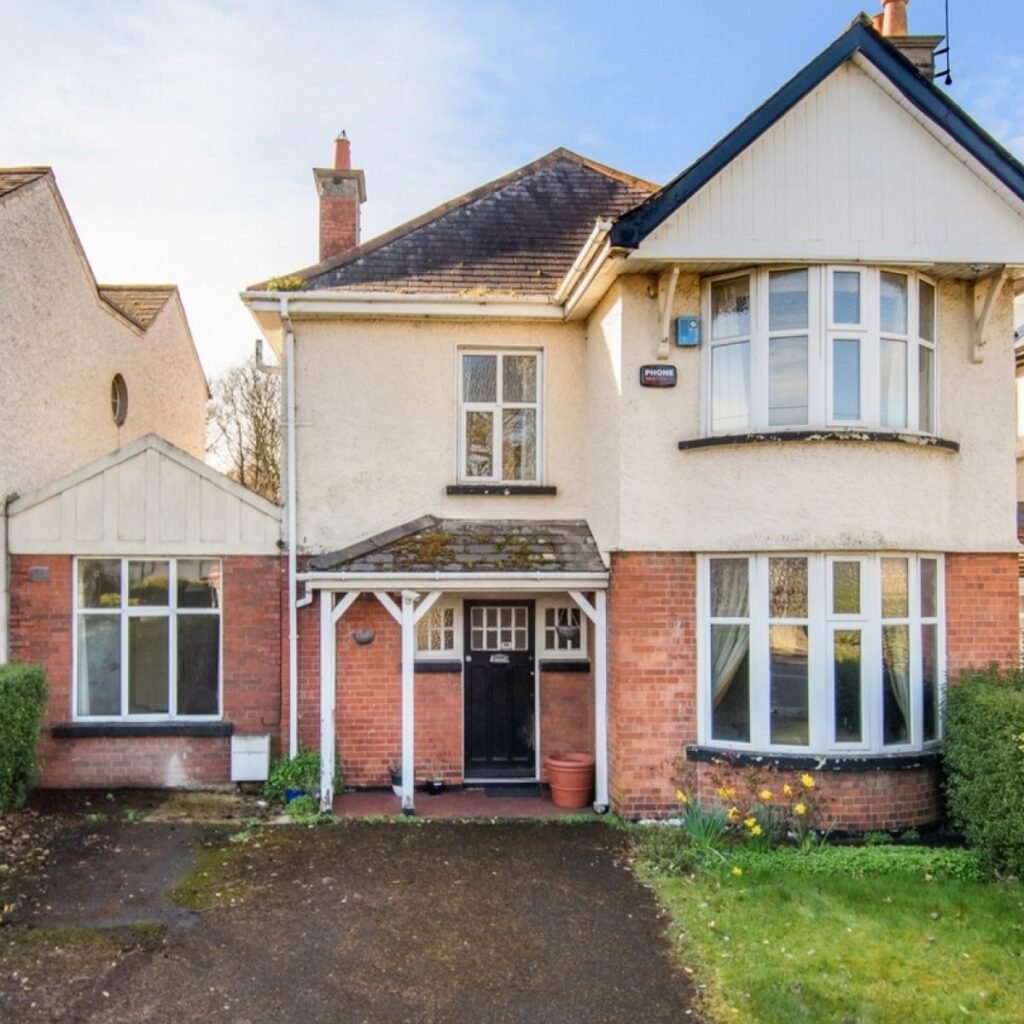
If you’ve discovered subsidence in your property, you may be feeling overwhelmed and uncertain about your next steps. This guide will help you understand your options, navigate the selling process, and make informed decisions about your property. Whether you’re looking for a quick sale or exploring repair options before you sell, we’ll walk you through everything you need to know.
Cash house buyers are the easiest way to sell a house with subsidence. At Gaffsy, our experts have plenty of experience advising homeowners and helping them complete a fast sale. But should you want to learn more about your options for selling a property with subsidence first, this article will answer your questions.
What is subsidence and what does it look like?
Subsidence occurs when the ground beneath your property becomes unstable and begins to sink, causing the building’s foundations to shift. While this can sound alarming, understanding the problem is the first step toward finding a solution.
Subsidence occurs when the ground under your house loses its stability due to various factors such as drought, leaking pipes, or nearby trees, parts of your home may begin to move unevenly. This movement can cause visible damage to your property over time.
How to spot the warning signs of subsidence
Distinctive cracks
- Appear wider at the top than the bottom
- Often visible both inside and outside the property
- Typically found around doors and windows
- May be diagonal and wider than ordinary ‘settling’ cracks
Changes in your doors and windows
- Difficulty opening or closing
- ‘Sticking’ when you try to use them
- Visible gaps in door or window frames
Wall and floor issues
- Rippling or wrinkling wallpaper (not caused by damp)
- Sloping or uneven floors, particularly in older properties
- Separation between walls and ceiling
- Cracks where extensions join the main building
If you notice any of these signs, particularly if they appear suddenly or worsen over time, it’s important to take action. While not every crack means you have subsidence, getting a professional assessment can give you peace of mind and, if necessary, allow you to address the problem before it becomes more serious.
Can I sell my house with subsidence?
The short answer is yes – you can definitely sell a house with subsidence. However, the process of selling a house in poor condition will require more patience and flexibility than a standard property sale. When selling a property affected by subsidence, you typically have three main routes: traditional market sale, cash house buyers, and property auctions. Later in this blog we run you through the pros and cons of these options.
Common challenges to expect
Selling a house with subsidence does present some specific challenges that it’s important to prepare for:
- Mortgage lenders may be hesitant to lend on properties with subsidence history, which can limit your pool of potential buyers to cash purchasers, or those able to secure specialised financing.
- You may also encounter buyers requesting additional surveys or structural engineer reports, which can extend the selling timeline. Some potential buyers might try to negotiate the price down significantly, using the cost of potential future repairs or increased insurance premiums to justify this.
However, being well-prepared can help you overcome these challenges. Having recent structural reports, details of any repairs, and current monitoring information readily available can help reassure potential buyers. If you have an insurance-backed guarantee for previous repairs, this can also be particularly valuable in providing peace of mind to buyers and their lenders. The key is to be transparent, realistic about pricing, and prepared to work with buyers who may need additional reassurance or documentation.
What is underpinning and should I do it?
Underpinning is a major structural repair process that strengthens your property’s foundations when they’ve been affected by subsidence; think of it as giving your house a new, stronger foothold in the ground. While it’s often presented as the go-to solution for subsidence, it’s not always necessary, and there may be other options worth considering first.
What does underpinning involve?
The process typically involves excavating beneath your existing foundations and extending them deeper or wider to reach more stable ground. It’s a significant undertaking that usually requires you to remain in the property while work is carried out in sections to maintain structural stability. Most homeowners find the process takes several weeks to complete, during which time there will be considerable disruption to your property and garden.
How much does underpinning cost?
Underpinning is a substantial investment with costs for an average-sized property typically ranging from £10,000 to £50,000. The final cost depends on various factors, including your property’s size, the severity of the subsidence, the specific method of underpinning required, your location, and the condition of the existing foundations. We’d recommend gathering multiple quotes before making your decision.
Is underpinning always necessary?
Despite what you might hear from some contractors, not all cases of subsidence require underpinning. In fact, only about 10% of subsidence cases actually need this level of intervention. Many properties can be successfully stabilised through less invasive methods. These might include removing problematic trees or managing their root systems, repairing leaking drains that may be causing soil wash-away, or installing root barriers to prevent future problems.
Before committing to underpinning, get multiple opinions from structural engineers and carry out a thorough ground investigation to understand the underlying causes of the subsidence. You’ll also want to check whether your insurance will cover the cost as this will impact your decision. For more detailed information on underpinning, see our underpinning guide.
Options for selling your house with subsidence
When selling a property affected by subsidence, you have several paths available to you. Understanding each option’s advantages and limitations will help you make the best choice for your situation.
Traditional estate agent sale
Selling through a traditional estate agent is certainly possible with a subsidence-affected property, but it does come with significant challenges. While you might achieve a higher final sale price, the process typically takes considerably longer than normal. Plus, many potential buyers will be unable to secure mortgages on properties with subsidence issues, significantly reducing your pool of potential purchasers. Also consider that chains can easily break down when structural surveys reveal the extent of the problem, leading to further delays.
Property auctions
The auction route attracts investors and developers who may be less concerned about the subsidence. However, this approach can have its own set of issues. There’s no guarantee your property will sell, and you’ll need to pay auction fees regardless of the outcome. And, while you might get a quick sale, auction prices can be unpredictable, and you may achieve significantly less than your property’s potential value.
Cash house buyers
For many homeowners dealing with subsidence, working with a professional cash buying company offers the most straightforward and reliable solution. Cash buyers specialise in purchasing properties in challenging circumstances and can often complete transactions within a matter of weeks rather than months.
The advantages of selling to a cash buyer are particularly relevant for subsidence-affected properties:
- No need to wait for mortgage approvals that may never come
- No risk of sales falling through due to survey results
- Quick completion timeframes
- No chain to worry about
- No need for expensive repairs before selling
- Certainty of sale from the outset
While the offer you receive might be below market value, this is often offset by the speed, convenience, and certainty of the sale, as well as the savings on repairs, ongoing maintenance, and mortgage payments.
Sell your house with subsidence with Gaffsy
At Gaffsy, we understand that selling a house with subsidence can feel overwhelming. We’ve helped many homeowners in similar situations move forward with their lives quickly and efficiently, providing a solution when traditional selling methods don’t quite fit the bill.
Here are just a few of the reasons we might be the best choice for selling your house with subsidence:
A straightforward process
When you work with Gaffsy, you’ll experience a simple, transparent process designed to make selling your subsidence-affected property as stress-free as possible. We begin with a no-obligation consultation to understand your situation and arrange a professional assessment of your property. Unlike traditional buyers, we won’t be deterred by the presence of subsidence – it’s exactly the kind of challenge we’re experienced in handling.
Speed
Time is of the essence when dealing with a property affected by subsidence. Whether you’re concerned about further deterioration or simply want to move on quickly, we can typically complete purchases within 2-3 weeks. There’s no waiting for mortgage approvals, no lengthy chains, and no last-minute surprises that could derail your sale.
Professional support throughout
Our team of property experts understand the unique challenges of selling a house with subsidence. We’ll guide you through every step of the process, handling all the necessary paperwork and legal requirements. You’ll have a dedicated point of contact throughout the sale who can answer any questions and keep you updated on progress.
While subsidence can seem like a major obstacle to selling your property, it doesn’t have to be.
If you’re ready to sell your subsidence-affected property quickly and with minimal stress, contact our team today for a no-obligation discussion about how we can help.